 Handy Hints
Food Security Options
11 Aug 2024 · Russell
Ensuring food security in rural communities involves a multi-faceted approach: stockpiling essentials, developing sustainable local food systems, and fostering community resilience. Here's a practical framework for thinking about it.
Note: This post draws on AI-assisted research as a basis for community discussion — it's a starting point, not a definitive guide.
Stockpiling Essentials
Non-Perishable Food Items
Each household should aim to have a supply of non-perishable food that can last at least 3 to 6 months. This includes:
- Canned goods: vegetables, fruits, beans, meat, fish
- Dry goods: rice, pasta, lentils, chickpeas, oats
- Long-life dairy or plant-based milk
- Cooking essentials: oil, flour, sugar, salt, spices
- Water: at least 1 gallon (4 litres) per person per day
Storage and Rotation
Store food in a cool, dry, dark location. Rotate your stock — use older items and replace them — so supplies stay fresh and nothing is wasted.
Developing Sustainable Food Systems
Seed Bank
A community seed bank stores a variety of vegetable, herb, and grain seeds suited to the local climate. Use non-hybrid, non-GMO seeds wherever possible so seeds can be saved after harvest and replanted the following season.
Community Gardens and Allotments
Community gardens let people grow food collectively and develop skills. Individual allotments give families their own growing space. Both build practical knowledge and social connection — two things that matter enormously in recovery situations.
Small-Scale Livestock
Where feasible, small livestock like chickens (eggs) and goats (milk) provide ongoing nutrition that doesn't depend on supply chains. Even a backyard flock of 4–6 hens can meaningfully supplement a household's food security.
Education on Gardening and Preservation
Skills matter as much as supplies. Consider:
- Workshops on gardening techniques and seed saving
- Food preservation: canning, drying, fermenting
- Soil health and composting
Non-Food Items for Local Production
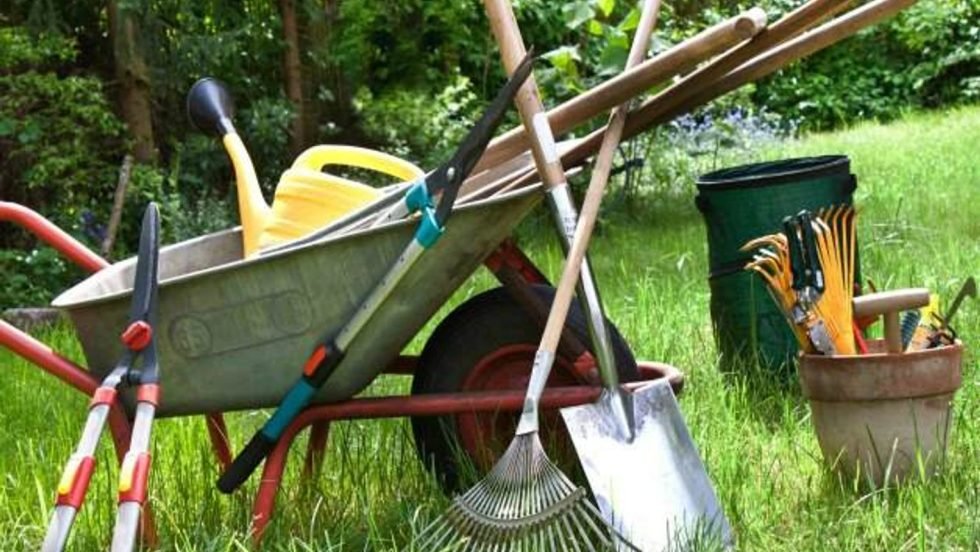
- Manual gardening tools: hoes, spades, rakes, watering cans (not dependent on power)
- Water collection: rainwater harvesting systems for irrigation
- Renewable energy: solar panels for essential functions
- Composting systems: organic fertiliser from household waste
Building Community Resilience
Skills Training
Beyond food growing, community resilience benefits from broad practical skills:
- Basic veterinary care
- Mechanical repairs
- Carpentry and basic construction
- First aid and basic healthcare
Local Trade and Bartering
A local bartering or trade network reduces dependence on currency and centralised supply chains. Even informal arrangements between neighbours — eggs for vegetables, labour for produce — build resilience.
Emergency Plans
A community emergency response plan should include:
- Communication strategies (who contacts whom, on what channels)
- Resource-sharing agreements
- Identification of vulnerable households who may need additional support
Connect with your local Community Response Team to discuss neighbourhood food resilience planning: info@minyonresiliencenetwork.com